Building Vocabulary Through Association and Structure
Vocabulary is an essential part of language learning. The more vocabulary you acquire, the better you can understand, communicate, read, and write, whether in your native language or a second language.
Natural language development begins early in life as the brain gradually associates sounds with meaning. For second-language learners, however, language acquisition often involves conscious learning, cognitive engagement, and deliberate practice.
To learn vocabulary effectively, learners must connect both the meaning and pronunciation of words. These connections help create a stronger foundation for understanding and long-term retention.
One of the least effective methods of vocabulary acquisition is memorizing random, unrelated word lists. While this approach may provide short-term results, it often fails to create meaningful associations that support long-term memory.
A more effective strategy is to learn vocabulary through relationships, associations, and contextual connections. When words are linked to related concepts, ideas, or experiences, they become easier to understand and remember.
Visualization is another powerful learning technique. By creating mental images and connecting words to visual representations, learners can strengthen vocabulary retention and improve recall. This method benefits both native and second-language learners.
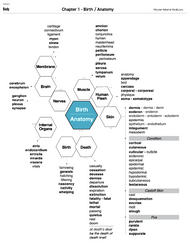
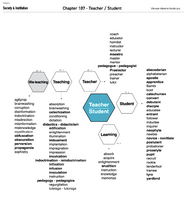
An even more effective approach is to expand vocabulary from a single source word, much like a tree growing from its roots and branching outward. Starting with one word and exploring related words creates a network of meaning that strengthens understanding and memory.
Word structure also provides an excellent foundation for vocabulary growth. Learning roots, prefixes, and suffixes allows learners to recognize patterns and understand the meanings of many unfamiliar words.
English contains more than 200 commonly used roots, prefixes, and suffixes. These linguistic building blocks offer a practical and efficient way to expand vocabulary and gain access to thousands of additional words.
By combining association techniques, visualization, and structural word analysis, learners can build a stronger vocabulary foundation and develop greater confidence in language use.
Consider incorporating these methods into your study routine to improve vocabulary acquisition, strengthen retention, and support long-term language development.